Film 210: Character and World-Building
In this lesson, you’ll learn:
- How to develop characters and worlds thoroughly
- Techniques for revealing them efficiently in your script
- How to balance development with production realities
- Ways to integrate details using WOARO
- How to adapt to collaborative filmmaking
Let’s begin!
The Challenge
We need characters and worlds we believe in to create a well-realized script. They need to feel authentic and dimensional, not like convenient plot devices.
But how do you develop them, then get that onto the page? We'll approach it through:
- Discovery: techniques to deeply understand your characters and worlds
- Implementation: how to selectively reveal what you've developed through WOARO, descriptions, and visual storytelling
Let's explore each step now.
Discovery
Character and World Lists
These are guided questionnaires designed to help you develop your characters and worlds systematically. Answer questions across categories like psychology, geography, history, and daily life to build comprehensive profiles and discover details you might otherwise miss.
You’ll be able to find plenty online, but here is a small sampling of questions you can ask yourself:
Character List:
- Physical: Not just appearance - what stores do they shop at? What's in their pockets, bag, or briefcase? When's the last time they showered?
- Background: Family, education, job, where/when they lived, race/nationality
- Psychology: What would they fight for? Where's their line in the sand? What would they back away from? What secrets do they hold?
- Relationships: Family dynamics, friends, enemies, community role - who do they defer to? Who do they talk down to?
- Lifestyle: Interests, habits, health, plans
World List:
- Place and Architecture: What is the geography and climate of this place? What resources do they have? How does the architecture relate to it?
- Life: What does a typical day look like for the people in your world? If there is a class system, what is it, and how do the citizens interact daily?
- Language: How do they communicate? (Be cautious with this since creating a language that is too complex may hinder storytelling.)
- Art and Culture: Is art present in this world? What sort of art? How do the intellectuals and the masses view it?
- History: What are the key, relevant events that led to the beginning of your story? What has built it up? What has hampered it?
- Science & Technology: What role has technology played in the development of this society? What has been discovered? What hasn't?
- Law: What system of rules exist? How is it enforced? Is it working?
Visual Methods
Mind Maps help you visually explore character connections and traits or connections between different elements of your world. Start with your character's name or world concept in the center and branch out with key aspects.
Timelines track personal history and development for characters, or create a chronology of your world’s history. For characters, they help identify plot holes and contextualize the character within broader historical events. For worlds, timelines track important events and understand how they shape the current state of your fictional universe.
Scrapbooks compile images, quotes, or objects that represent your characters or world. This visual and tactile method can inspire new ideas and deepen your understanding.
Living Within Your Creations
Go beyond answering questions to actually inhabiting your creations. For characters, adopt an empathetic approach - don't just list their obstacles, understand why those obstacles feel insurmountable. Don't just note they're a villain, find what makes their actions feel justified in their mind.
For worlds, think about day-to-day life. What makes a world feel real is the sense that writers have tried to live within it. How do people wake up, eat, work, and sleep? What minor frustrations and daily rhythms shape their lives?
Sometimes the best discoveries happen when you're writing. As you place characters in scenes and force them to make choices, they surprise you. You might discover a character has a quick temper when cornered, or that your world's marketplace operates on a barter system you never planned. Trust the writing process to reveal depths you might not have anticipated during initial planning.
Develop a Set of Rules
Develop a tight set of rules for both your characters and world. Some can be broken, some cannot. Social rules can be broken, but gravity can't.
For worlds, consider rules of magic or science, rules of hierarchy and social roles, and rules of the natural world. For characters, consider moral codes and belief systems, personal boundaries and limitations, and behavioral patterns and habits.
What happens if you break the rules? What are the consequences? How do rules create limitations? These rules create conflict opportunities and authentic boundaries that make your characters and worlds feel consistent. When rules change, it signals growth or failure for the character or world.
Implementation
Once you’ve developed your characters and worlds through discovery techniques, you need to selectively reveal what you’ve learned. The key is choosing only what serves your story and showing rather than telling.
Using WOARO
WOARO can reveal character and world details at every level—scene, sequence, act, story, and series. Every step is an opportunity to inform the character and the world.
Want
What drives your character defines them. What is of value to them? What is of value in this world? Look for both external goals and internal desires that extend over a lifetime. Are there hidden wants—because characters don’t know themselves, or because someone in the world is hiding it from them?
Want ties characters together or pulls them apart—aligned wants create allies; conflicting wants create enemies. What your characters pursue reveals what this world values or forbids.
Obstacles
What are the inner obstacles (character flaws, fears, limitations) and outer obstacles (other characters, societal structures, physical barriers)? Obstacles shape the character’s journey and reveal world conflicts simultaneously. A character’s fear of authority shows both personal limitation and hints at the world’s power structures. Societal barriers reveal cultural restrictions without exposition.
Actions
How specifically does your character pursue what they want? Actions depend on specificity—how exactly do they love, hate, defend, respond? Word choice matters too—are they eloquent, crass, pandering? Actions reflect ingrained behaviors built upon years of experience, but remember that not everything is a choice—some responses are driven by character essence.
Actions reveal world rules through behaviour rather than explanation. Let audiences discover how this world works—what methods are available, acceptable, or forbidden—through what characters actually do.
Response
How does your character respond—immediately or after consideration? This reveals personality and emotional state. If a character says they’re passive but responds with violence, what does that reveal about their true nature?
How does your world respond to actions? If the world is supposed to be peaceful but someone pulls a gun and chaos erupts, secrets are waiting to be discovered. What are the consequences for different types of actions? The world’s response reveals its values and systems.
Outcome
Do they get what they want? Why or why not? This demonstrates character growth or failure and world consistency. When the outcome changes a character’s emotional state or available responses, it represents character change. When world rules shift or break, it signals world evolution or crisis. Success or failure creates new wants and obstacles for the next cycle.
Descriptions
Apply the description techniques you’ve learned to your discovery work. Use character essence and world atmosphere to reveal depth in 3-4 lines maximum.
Character Descriptions
Distill your discovery work into essential traits shown through behaviour:
MARCUS, 34, adjusts his tie in every reflective surface he passes, including car windows and coffee shop glass.
Show character traits through specific actions rather than stating them directly.
World Descriptions
Hint at the bigger picture while establishing unique elements:
The downtown core stands half-buried in sand, neon signs flickering with impossible colors. A woman draws glowing symbols in the air to unlock her apartment door.
Show both the world’s history and its current rules without exposition.
Visual Elements
Beyond descriptions, visual elements communicate character and world details without explanation.
Character Visual Elements - Objects that hold meaning to a character's history reveal depths without exposition. A faded military photo, prayer beads worn smooth, a baseball glove that's seen better days. What objects from your discovery work carry emotional weight?
World Visual Elements - Visual details establish world rules, history, and culture. Graffiti in a specific language, architectural styles that suggest power structures, technology that hints at development. Costumes, vehicles, tools—all communicate how this world works.
Revealing Through Discovery - These elements should emerge organically. The meaning isn't dumped in exposition but discovered through how characters interact with objects. For example, the baseball glove reveals significance when the character reacts to finding it damaged, not through a speech about their deceased father.

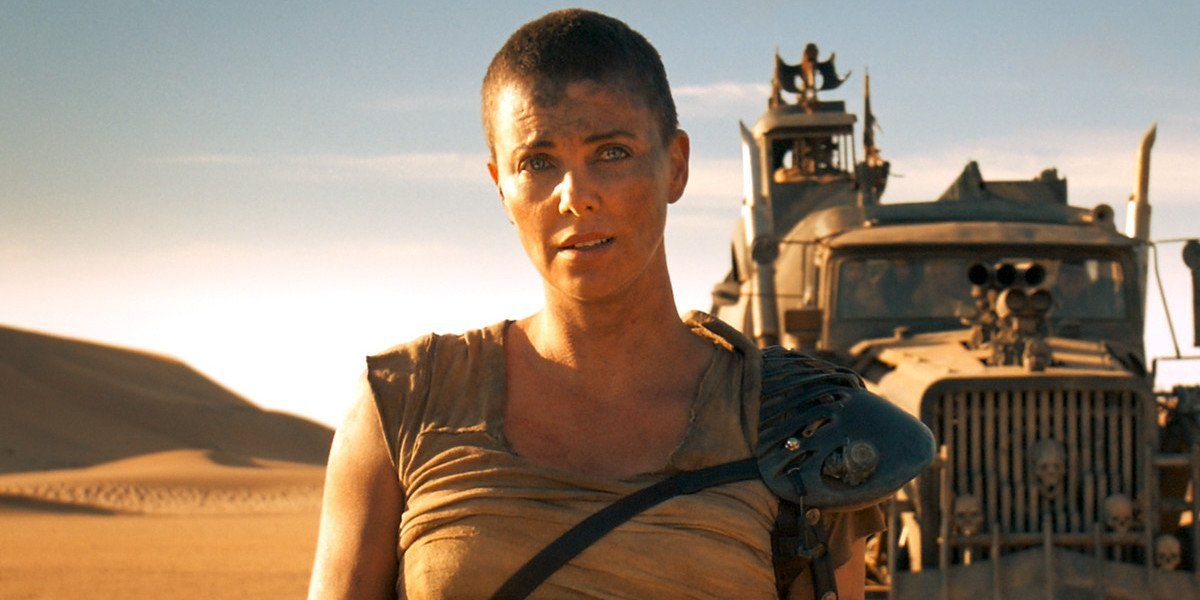
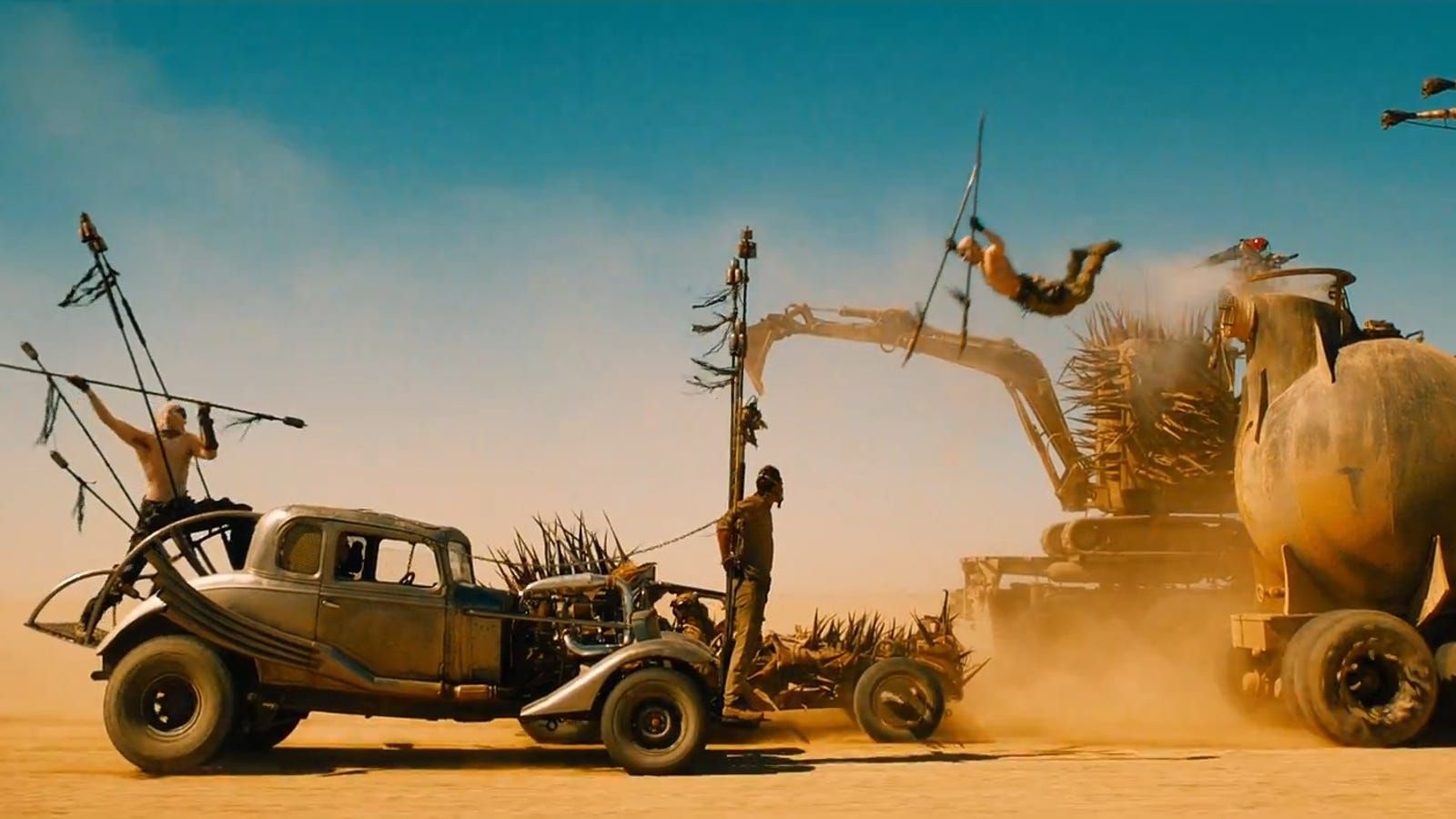
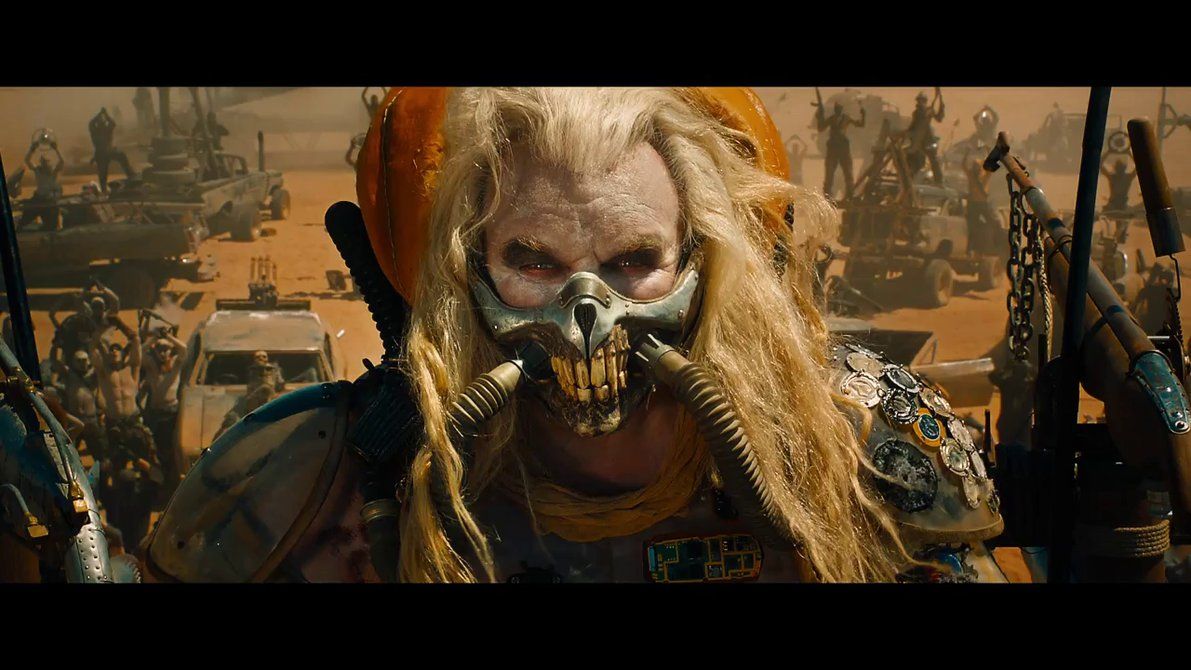
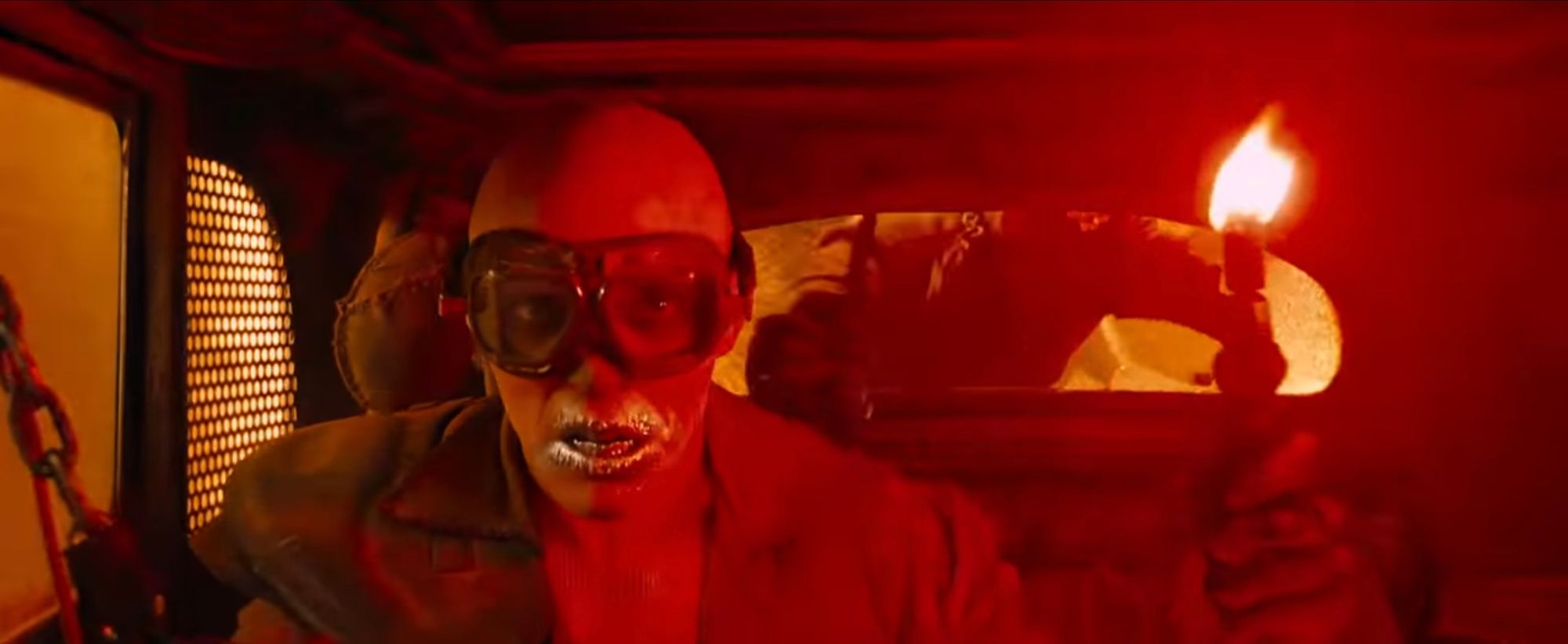

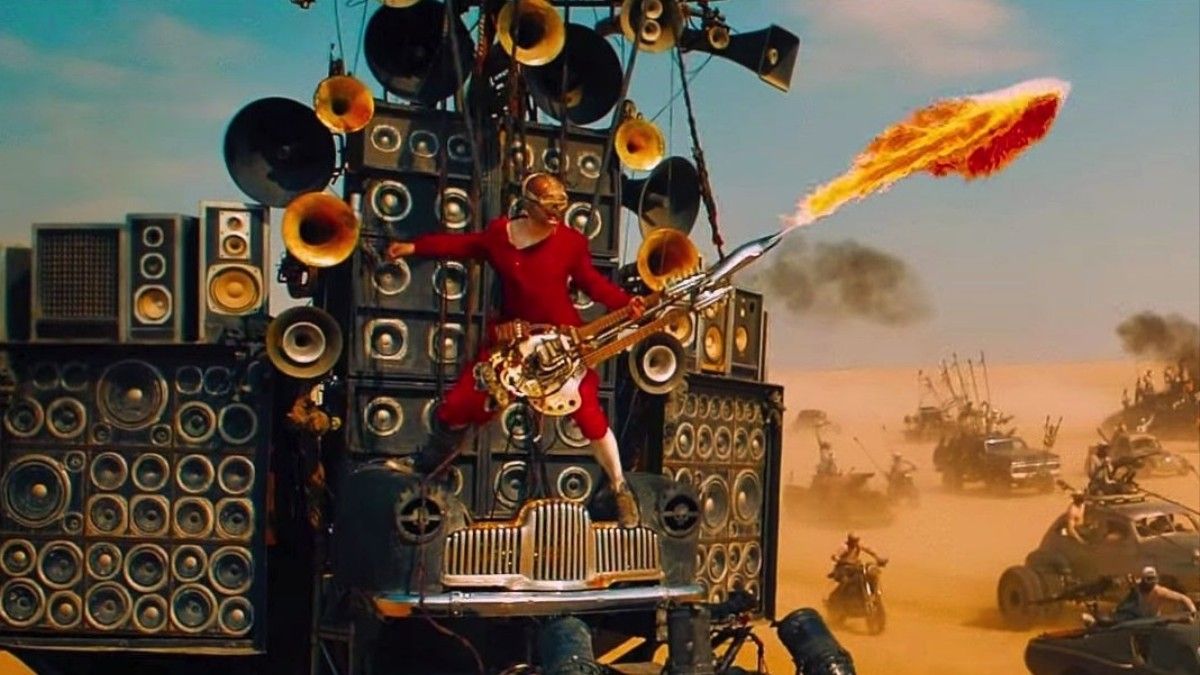
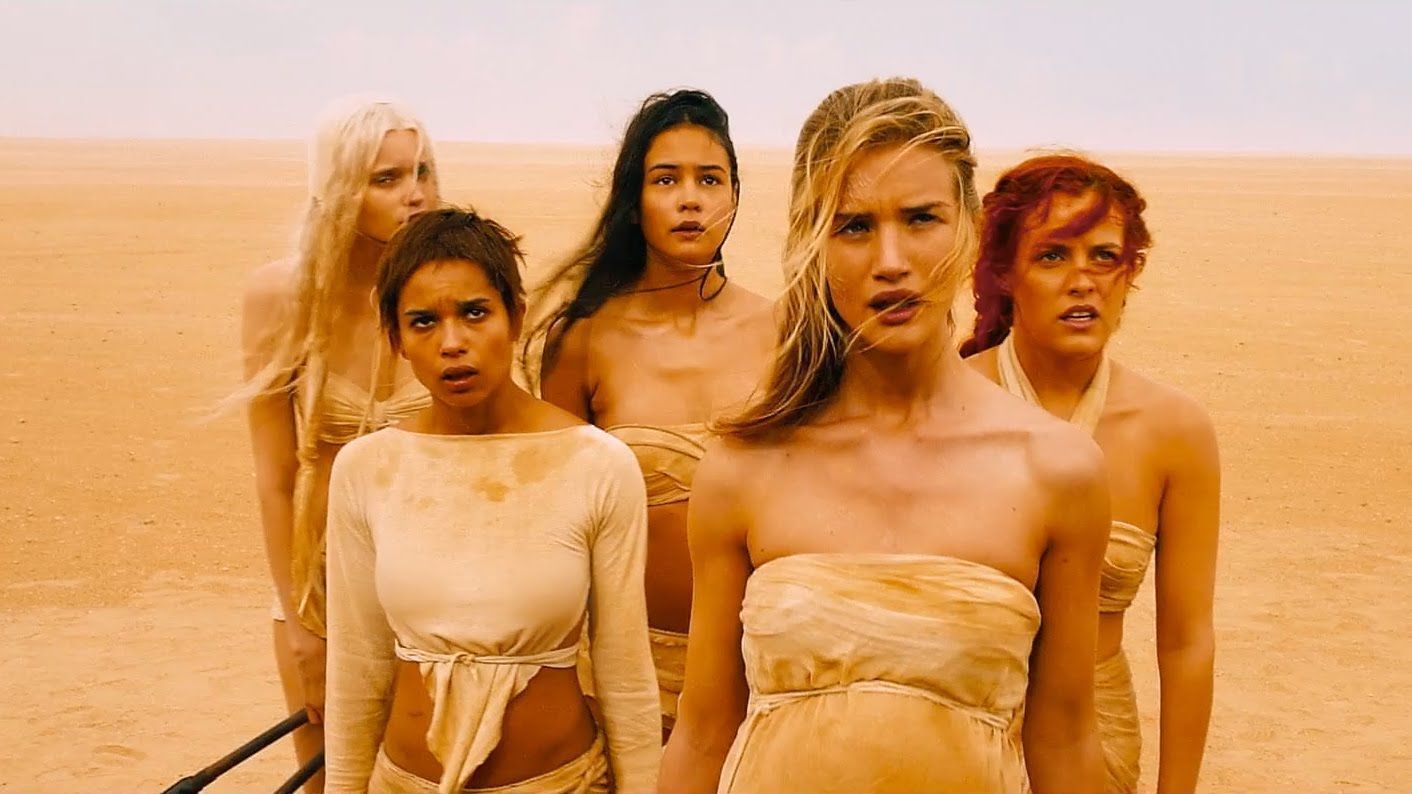
Mad Max: Fury Road is an excellent example of a story world told through visual elements.
Character Interactions
Every character interaction reveals information about your characters and world through dialogue, behavior, and reactions.
Character Revelation Through Interaction
How characters speak to different people reveals their relationships, status, and personality. Do they talk down to service workers but defer to authority? Use formal language with strangers but casual speech with family? How they interrupt, listen, or avoid eye contact shows character aspects from your discovery work.
World Building Through Interaction
Character interactions reveal social hierarchies, cultural norms, and world rules. Who bows to whom? What topics are avoided in conversation? How do people greet each other, handle conflict, or show respect? Who speaks first? What language is appropriate? How do different classes, ages, or backgrounds interact? Show these details through natural character behaviour that simultaneously reveals world structure.
The Reality of Production
Your cast and crew will inevitably offer their own interpretations. Everything is in flux until it’s filmed.
For instance:
- Actors will craft their own path through scenes. I’ve seen production halt because an actor didn’t like store window set dressing and needed it redressed with things her character would choose.
- Directors may have different visions for character interactions.
- Budget constraints might compress multiple characters into one or multiple locations into a single setting.
- Production designers and art directors will bring their vision to your world.
Whatever the cast and crew bring will change your vision. This isn’t necessarily bad—it’s often where collaborative storytelling magic happens. You can dig deep, but your ideas may be thrown out.
Don’t hold onto ideas too tightly, or it can be disappointing. Some productions never happen, so time spent on worlds may be for nothing. Focus on projects that move forward.
Approach development with flexibility while focusing on core elements crucial to your story.
Key Takeaways
- Thorough Exploration - Use various techniques to develop a deep understanding of your characters and world
- Selective Application - Choose only what serves your story
- Show, Don’t Tell - Reveal details through action, dialogue, and visual elements
- Use WOARO - Organically integrate character and world details into your script
- Stay Flexible - Prepare for collaborative changes while focusing on core story elements